When Is Stone Crab Season on Florida's Forgotten Coast, and Why the Claws Are Worth the Wait
September 30, 2026
Quick Answer: Florida's stone crab season opens October 15 and runs through May 1, with state waters closing again on May 2 so the population can rebuild. Only the claws are legal to harvest, and each one has to measure at least 2 7/8 inches. Crabbers remove one or both claws and release the crab back into the Gulf alive, where it can regrow what it lost over roughly a year and a half. On the Forgotten Coast, that season lines up with cooler water, quieter docks in Panacea, and a much shorter list of boats pulling traps than you'd find around Miami or the Keys. That scarcity, more than anything else, is why the claws feel worth waiting for.
Around the third week of October, you can watch the boats at Rock Landing Dock come back heavier than they did all summer. Time a walk along Dickerson Bay right and you'll see it happen. A crabber hauls a trap, checks a claw against a small gauge kept in a shirt pocket, and tosses back anything that doesn't measure up. That plain little gauge decides whether a claw goes home in a cooler or back into the Gulf to keep growing.
We watch for that same shift every fall. Stone crab season means something different depending on where you're standing in Florida, and on our stretch of Wakulla County it looks nothing like the version you'd find four hundred miles south. Fewer boats. Smaller hauls. A lot more of the "hey, did you hear the crabs are in" conversation that moves through a town this size faster than any headline could.
When Florida's Stone Crab Season Actually Opens and Closes
The state sets one hard start date. Florida's stone crab season opens October 15 in both state and federal waters and runs through May 1, with harvest closed the very next day, May 2, and staying closed until the following October. That five-month closure isn't a formality. It gives the crabs a stretch of the year with zero trap pressure, which matters for a species that's only harvested for its claws in the first place.
Size and limits
A legal claw has to measure at least 2 7/8 inches, checked from the tip of the immovable pincer to the first joint. Recreational harvesters are capped at a gallon of claws per person, or two gallons per boat, whichever comes first. Egg-bearing females can't be touched at all, claws or otherwise.
Why the calendar matters more here than it might elsewhere
Wholesalers in South Florida can sometimes bridge gaps with claws pulled from federal waters or held over from earlier in the season. A small Gulf-side operation doesn't have that cushion. When state waters close on May 2, the supply we can offer closes with it. That's the honest version of "seasonal" on a menu, not a marketing word.
Warning: Availability tightens toward the tail end of the season and after any stretch of rough weather, since crabbers can't check traps safely when the Gulf kicks up. If stone crab claws matter to your visit, an earlier trip in the season is a safer bet than one planned for late April.
How a Claw Becomes Dinner Without Killing the Crab
Here's the part that surprises first-timers most: harvesting a stone crab claw doesn't require killing the crab. Florida law actually forbids taking the whole animal. A crabber twists or breaks off one or both claws at a specific joint, then drops the crab straight back into the water.
Stone crabs, like a lot of crustaceans, can shed a limb on purpose when they're threatened and grow a new one back over time. Harvesters are relying on that same biology, just on purpose and under a size limit. Removing a claw the wrong way, at the wrong joint, can keep it from regenerating at all, which is one reason the trade is more particular about handling than it might look from a dock. Done correctly, a crab can regrow a claw in around eighteen months, though it needs food and a couple of molts to get there, and the new claw is usually smaller than the one it replaced.
The claws don't sit around after that. They get dropped into boiling water on the boat or at the dock within hours of coming out of the trap, which keeps the meat from sticking to the inside of the shell once it's cooked. That single step is why stone crab claws almost never show up raw on a menu anywhere in Florida. By the time one reaches a kitchen, it's already been cooked once, cooled, and is ready for a second, brief reheat.
Why This Stretch of the Gulf Feels Different During the Season
Most of Florida's stone crab claws come out of the water between Sarasota and Fort Lauderdale, where the fleets are bigger and the docks busier. Panacea isn't that. This is a working waterfront where families have made a living on the water for generations, crabbing and shrimping from boats many of them built themselves. The traps that come up at Rock Landing Dock are a smaller, more personal slice of a much larger industry.
That smallness shows up in the numbers, too. Stone crab claws bring in tens of millions of dollars a year statewide, and in a county the size of Wakulla, even a modest share of that changes things. Local seafood houses, bait shops, and yes, small cafes like ours, all feel a good stone crab season the way a beach town feels a good tourist season. It's the reason nearby St. Marks throws its own stone crab festival every fall, and why the topic comes up in conversation at the counter here before it ever comes up on a menu.
What that means for you as a diner
Ask when the claws came in, and you'll usually get a real answer, not a shrug. On a stretch of coast this size, the person taking your order might have talked to the boat that morning.
What Else Is Moving on the Forgotten Coast Calendar
Stone crab season doesn't sit alone on the calendar here. It opens right as the worst of the summer heat finally lets go, which matters more than it sounds like it should. A Panacea August is thick, still, and mosquito-heavy. By the time claws start showing up in October, the air's finally bearable again, and outdoor tables at RV parks and waterfront spots along the coast start filling back up.
It also overlaps almost exactly with snowbird season. The same October-through-April window that governs stone crab traps is when a good share of our regulars start rolling back into Panacea RV Park for the winter, trading colder states for Gulf mornings. More than a few of them plan their return around it, whether they'd admit that or not.
Scalloping runs the opposite direction. Wakulla County's scallop season lands squarely in the hottest stretch of summer, typically running from early July into September, which means it wraps up right before stone crab traps go back in the water. Between the two, there's barely a gap in the calendar where something local isn't in season on this part of the Gulf.
What to Expect When the Claws Show Up on Our Menu
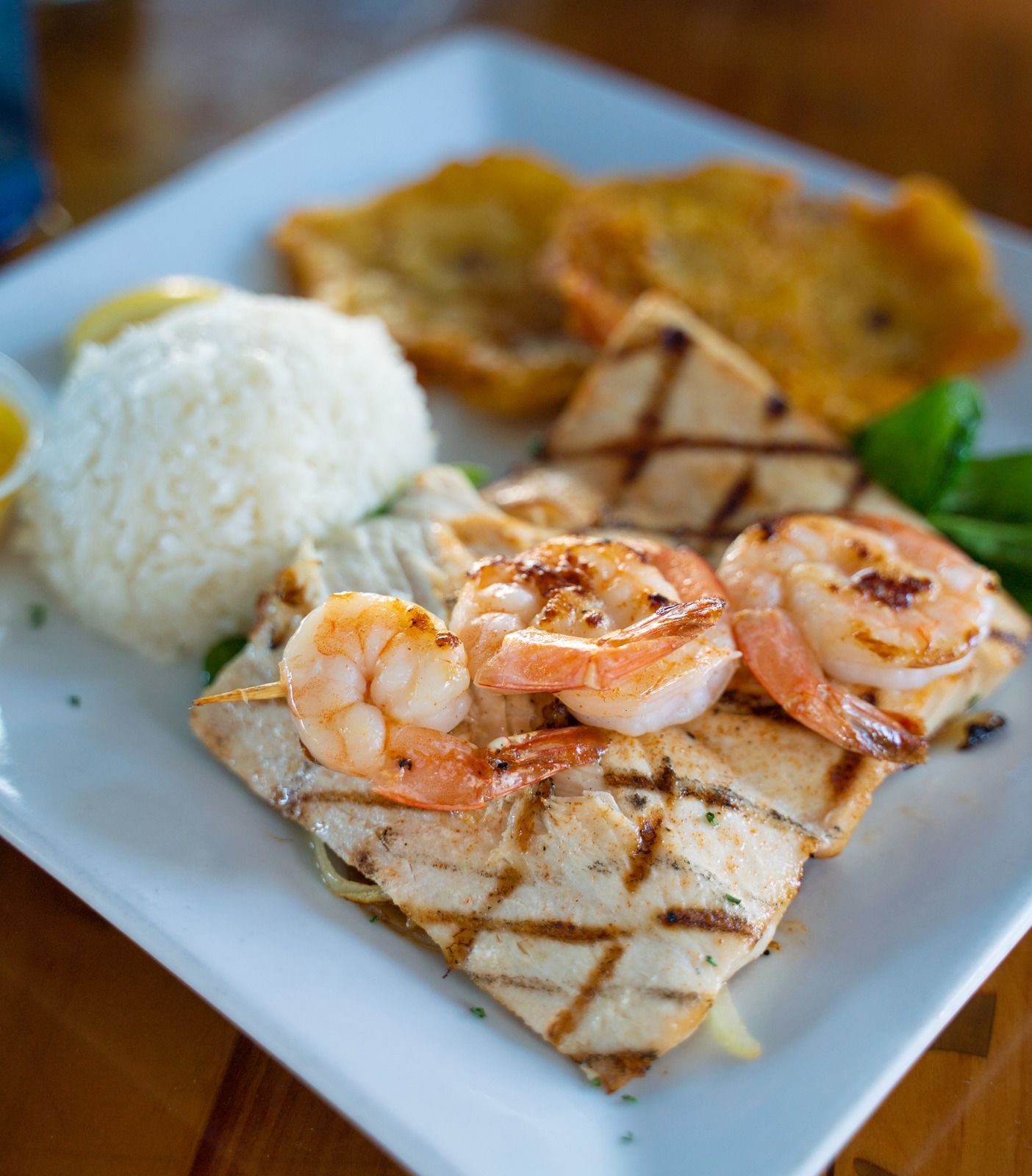
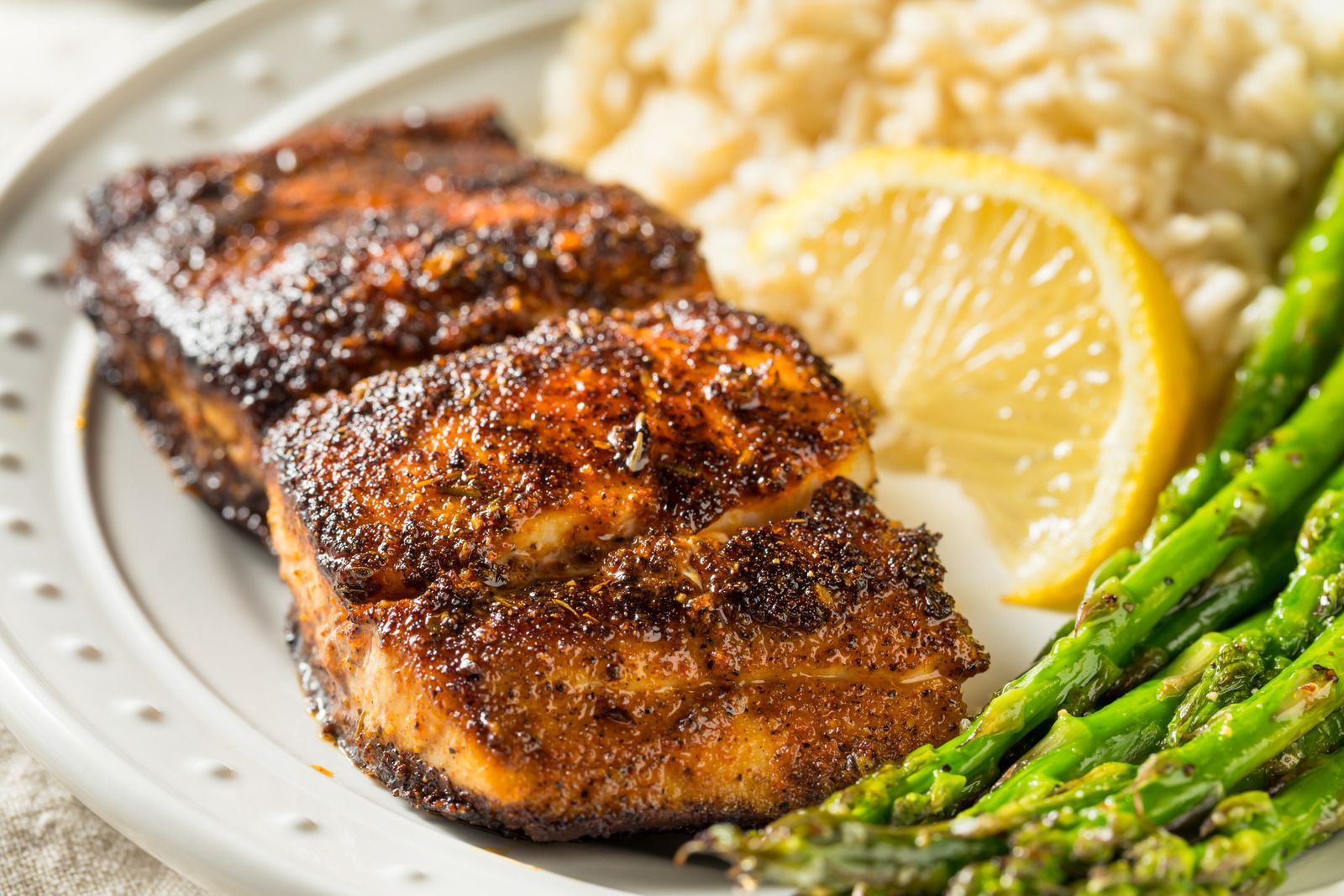
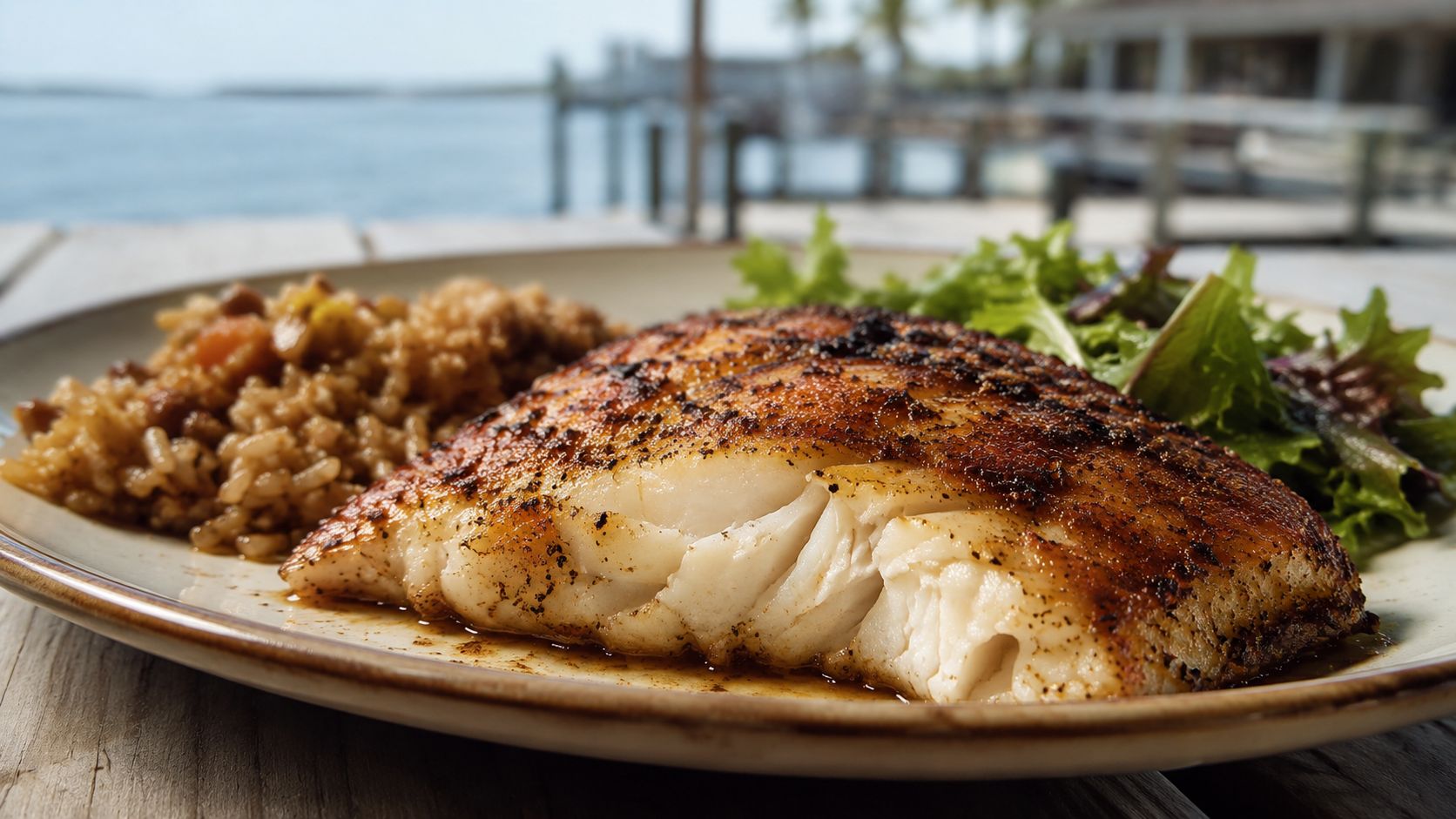
Our seafood section leans hard on what's actually coming off Gulf boats, not just what's easy to keep in a freezer year-round. Grouper and mahi-mahi hold down the menu most of the year. Stone crab is different. It's listed as a seasonal item precisely because we won't put it up when it isn't legitimately in season, and we won't apologize for that gap the rest of the year either.
How we serve it
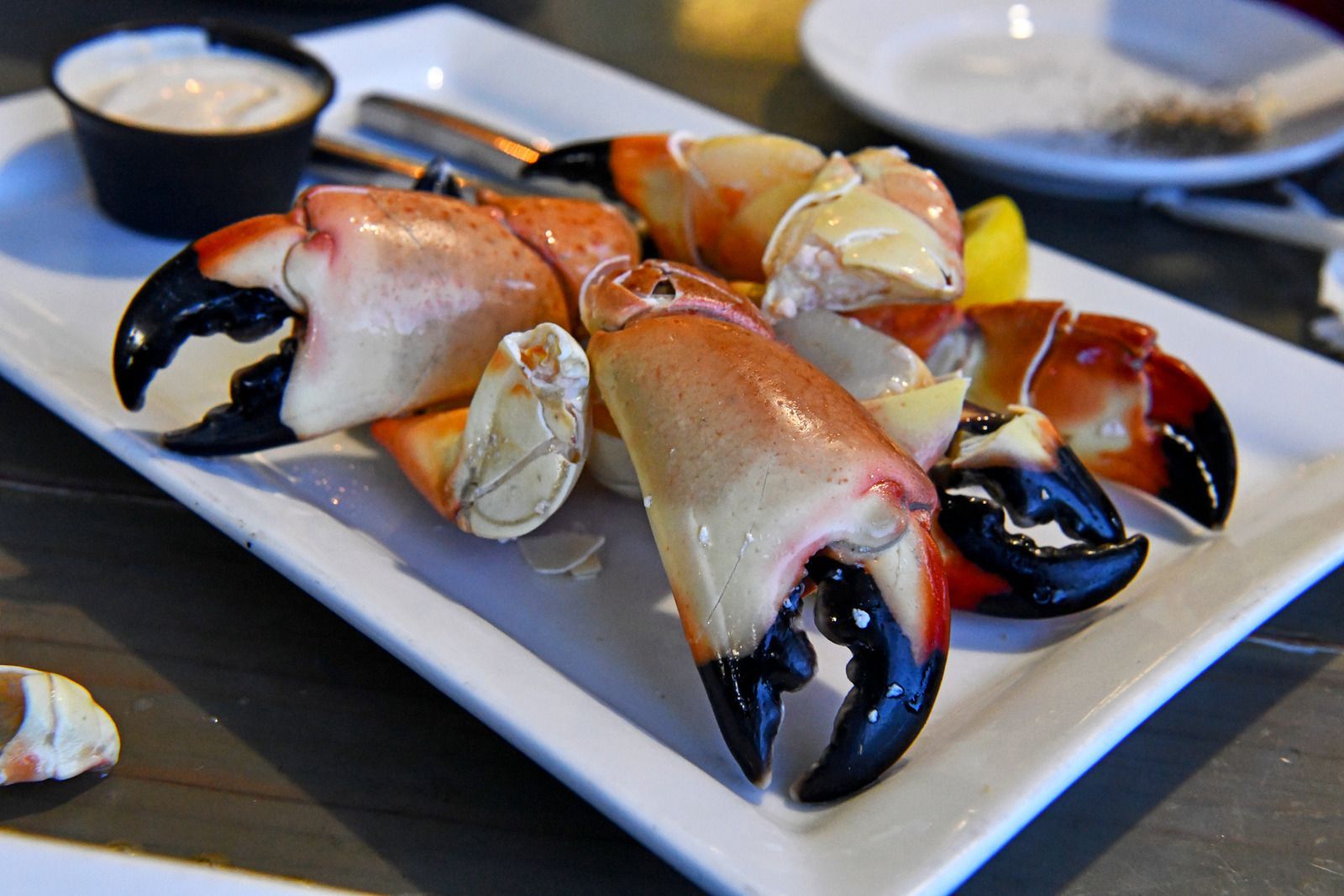
Once claws come in, we keep the preparation simple on purpose. Stone crab doesn't need much done to it. Cold and cracked, with a mustard-forward dipping sauce on the side, is the classic approach. It's the one that lets the sweetness of the meat do the work instead of a heavy sauce covering it up. Some regulars ask for theirs warm with drawn butter instead, which is just as traditional and honestly comes down to what you grew up eating.
Tip: Stone crab claws are already fully cooked when they reach the table, even when they're served warm. If a claw ever looks raw or translucent instead of firm and opaque, send it back. That's a sign something went wrong well before it got to you.
We'll also have crab cake sandwiches, chowders, and a rotating catch of the day running alongside it, because not every table wants to build a whole visit around one seasonal item. But for the ones who do, we try to make it worth planning around.
Frequently Asked Questions
When does stone crab season start and end in Florida?
Florida's stone crab season opens October 15 and runs through May 1, with harvest closed statewide from May 2 until the following October 15, giving crabs a five-month break.
Why can crabbers only take the claws, not the whole crab?
Florida law protects the rest of the animal because stone crabs can regrow a lost claw but can't come back from being harvested whole, letting the same crab produce more.
Do stone crab claws really grow back?
Yes. A crab that loses a claw regrows it through a series of molts, taking roughly eighteen months depending on available food. The new claw is typically smaller than the original.
Why are stone crab claws always served already cooked?
Claws are boiled within hours of harvest, right on the boat or dock, because heat sets the meat and keeps it from sticking to the shell before reaching a kitchen.
Is stone crab actually available in Panacea, or is that mostly a South Florida thing?
Most commercial harvest happens between Sarasota and Fort Lauderdale, but Wakulla County has its own crabbers, and Gulf-side spots along the Forgotten Coast bring in claws too.
What other Gulf Coast seasons overlap with stone crab season here?
Stone crab season lines up closely with snowbird season, both running roughly October through spring, picking up almost exactly where Wakulla County's summer scalloping season leaves off.
A Season Worth Planning Your Visit Around
Stone crab season on the Forgotten Coast rewards patience more than it rewards convenience. The claws only show up for about six months, the boats pulling traps here are far fewer than what you'd find further south, and that scarcity is exactly what makes the season feel like an event rather than a menu line. Seabreeze Cafe has served Panacea, FL for 10 years, watching that same October shift roll through Rock Landing Dock and onto local tables every fall.
There's something honest about a menu that disappears for part of the year instead of faking its way through the off-season. Waiting for claws that came off a boat that morning, cracked cold or served warm with butter, connects a meal back to the water it came from in a way frozen-and-shipped seafood never quite manages. That wait is part of what makes the season worth marking on a calendar in the first place.